Blog
How to Support Your Lymphatic System, Naturally
You hear a lot about your heart, your gut and your hormones. Your lymphatic system rarely gets a mention, even though it touches almost everything: fluid balance, immunity and how your body clears waste. When it's moving well, you don't notice it. When it isn't, you might feel puffy, heavy or run down without knowing why.
What your lymphatic system actually does
Your lymphatic system is a network of vessels and nodes that runs alongside your blood vessels. It collects extra fluid from your tissues, carries it through lymph nodes, where immune cells check it for anything that shouldn't be there, and returns it to your bloodstream.
Here's the part most people don't know: unlike your blood, lymph has no heart pumping it. It moves when your muscles contract, when you breathe deeply and when you change position. That's why long days at a desk, a long flight or a stretch of low activity can leave you feeling swollen and stiff.
Signs your system may need support
There's no single lab test for a "sluggish" lymphatic system, so it's worth paying attention to patterns. People often describe:
Puffiness or swelling, especially in the face, ankles or hands
Feeling heavy, stiff or bloated
Brain fog and low energy
Catching every cold that goes around
Swelling that lingers after surgery
These symptoms can have many causes, including thyroid, kidney, heart and hormone issues. That's why we look at the full picture, including bloodwork, before deciding what will help.
Everyday habits that keep lymph moving
Move often. Walking, stretching, yoga and rebounding all use your muscles to push lymph along. Short movement breaks through the day count.
Breathe deeply. Slow belly breathing changes the pressure in your chest and abdomen, which helps lymph flow toward your heart.
Drink enough water. Lymph is mostly water. Staying hydrated helps it flow.
Try dry brushing. Light strokes toward your heart before a shower feel good, and many people find it helps with puffiness.
Eat more whole foods. Fewer ultra-processed, salty foods and more fiber, vegetables and protein support fluid balance and digestion.
Prioritize sleep. Rest is when your body does much of its repair work.
When to add professional lymphatic drainage
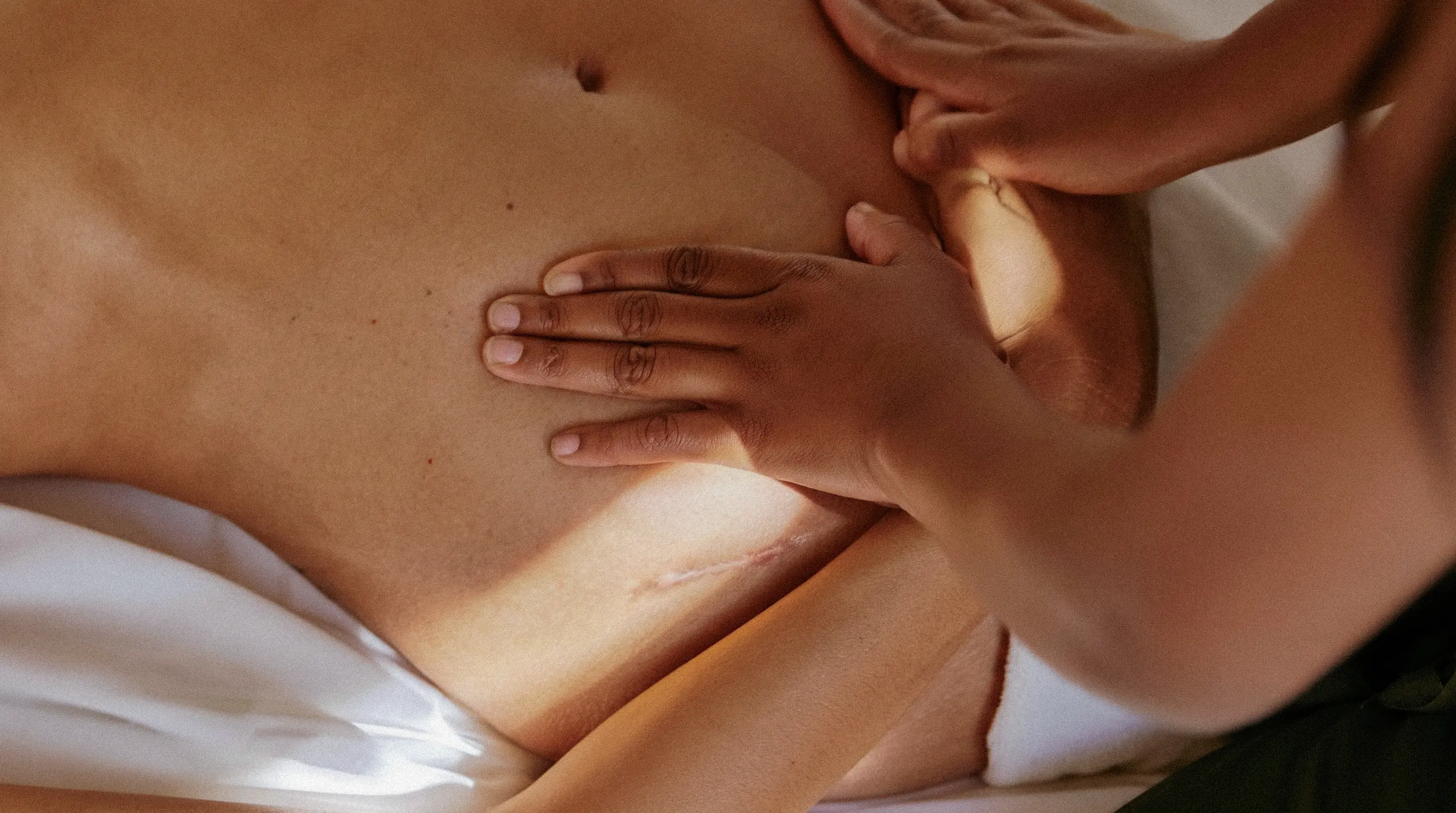
Lymphatic drainage massage uses light, rhythmic strokes to encourage fluid toward your lymph nodes. It's very different from a deep-tissue massage. It's gentle by design, because lymph vessels sit just under the skin.
Surgeons often recommend it after procedures like liposuction or a BBL to help with swelling. Outside of recovery, many of our clients book it to feel lighter and less puffy, especially around travel, their cycle or a demanding week. Some pair it with a colonic as part of a broader gut and detox reset.
After a session, drink extra water, keep the rest of your day easy and notice how you feel over the next day or two.
Who should check with a clinician first
If you have a heart or kidney condition, an active infection, a history of blood clots or cancer, or you're pregnant, talk with your provider before booking. Sudden swelling in one leg, especially with pain or warmth, needs medical attention right away.
Start with the whole picture
If puffiness, fatigue or bloating keep coming back, it's worth finding out why. A Sela Wellness Exam includes 60+ biomarkers and a one-on-one review with our medical team, so your plan is built on data, not guesswork. Ready to feel lighter now? Book lymphatic drainage.
This article is for general education and isn't medical advice. Talk with a licensed clinician before starting any new treatment. Individual results vary.
More